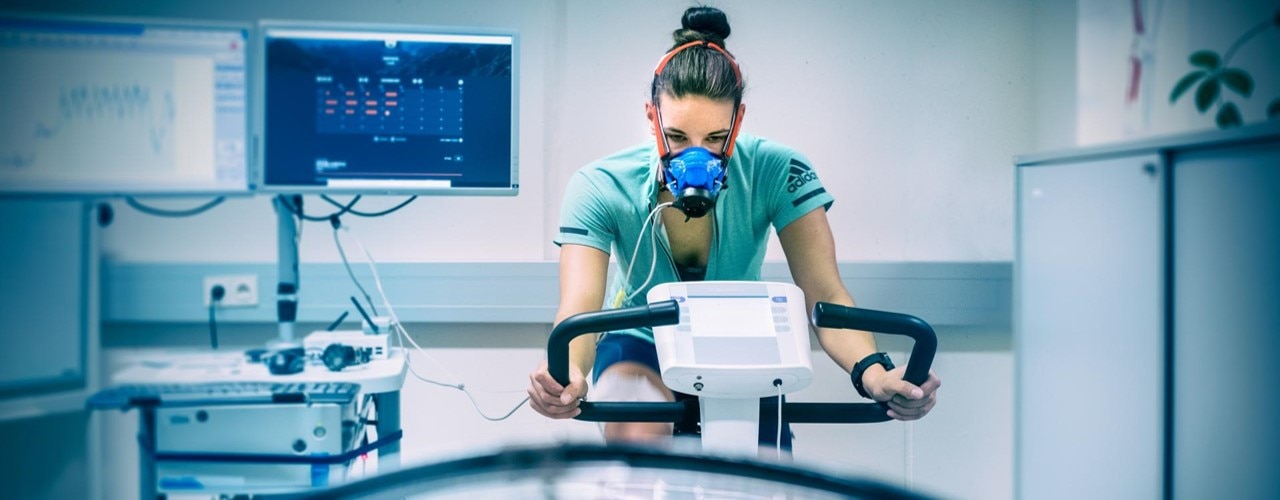
Medical technology: In anesthesia and ventilation, NDIR systems have become the norm: the application is clearly defined, and hospital gas conditions (humidity, temperature, pressure) remain very stable, which allows a chosen technology to operate effectively. Breath-gas analyzers in doctors’ surgeries already require methods that are less sensitive to ambient influences.
Agriculture: As one of the largest emitters of CH₄ and NH₃, agriculture is the focus of numerous research teams working to quantify emissions and develop mitigation strategies — with particular attention to storage and animal feed. Initial commercial TDLS-based devices are available worldwide and deliver reliable measurements. As with gas leaks, robust, accurate and portable instrumentation is essential for reliable outdoor measurement under varying weather conditions.
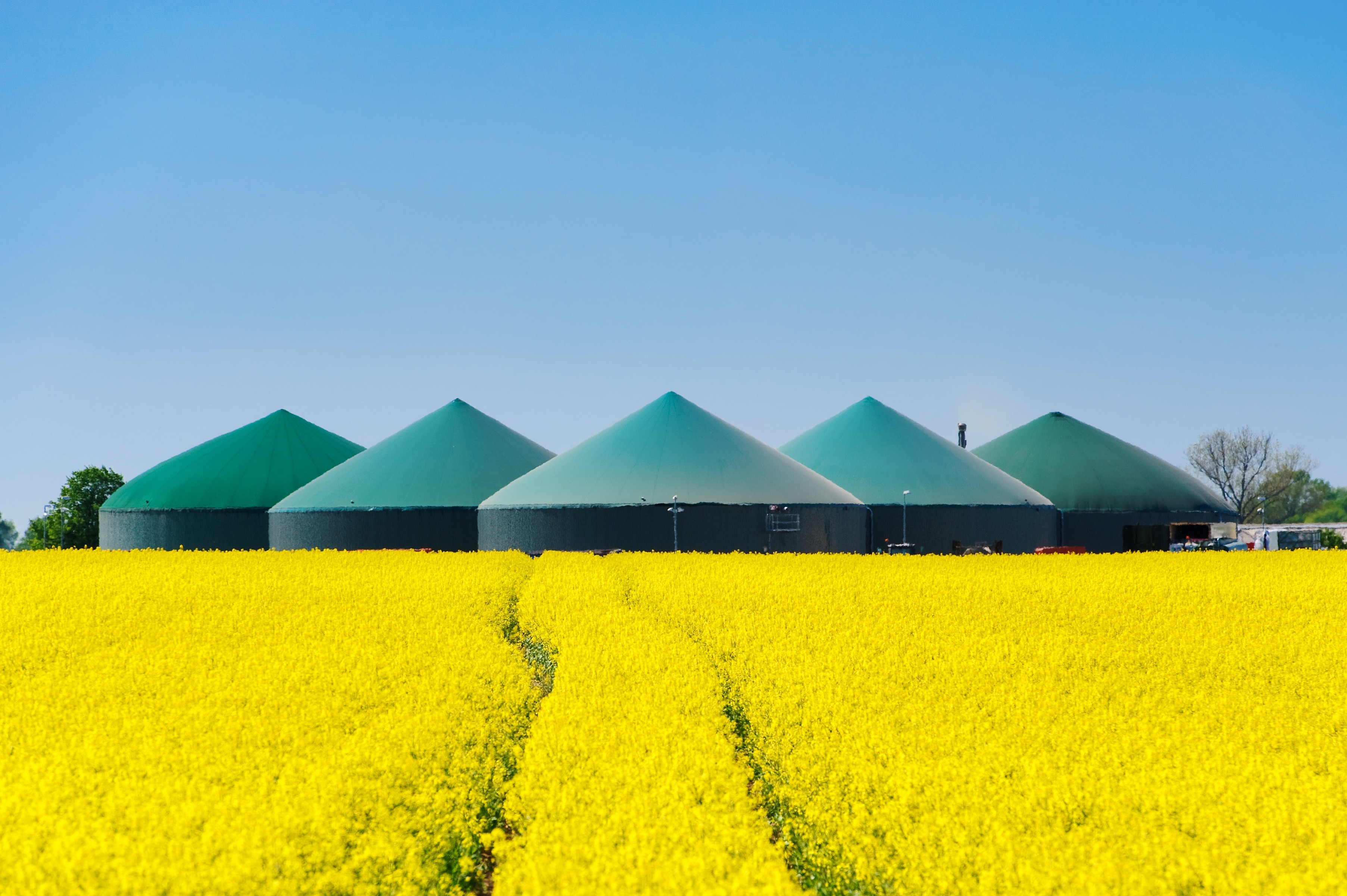
Energy: Biogas plants are experiencing a revival: the CH₄ they generate is fed into local gas grids to reduce dependence on gas imports. Precise characterization of the gas mixture is critical in order to separate unwanted components, and the cross-sensitivity of the measurement system plays a central role.
Core Technology: Tunable Diode Laser Spectroscopy (TDLS)
To meet rising requirements for selectivity and the elimination of cross-sensitivities, TDLS has established itself as the gold standard. A tunable diode laser scans a precisely defined absorption line of the target gas, so that only the desired molecule is detected. The method’s sensitivity is primarily determined by the effective optical path length within the measurement cell.
Compared with chemical sensors or NDIR systems, TDLS offers significantly higher spectral selectivity and long-term stability — without their drawbacks such as drift or sensitivity to interfering gases. At the same time, the technology is easier to handle and more cost-efficient to operate than high-precision FTIR or QCL systems. TDLS therefore represents the ideal compromise between performance, robustness and economy, and has become the preferred solution for industrial and safety-critical applications.
The Three Most Important Measurement-Cell Concepts
Detecting gases at the lowest concentrations (ppb range) requires the light beam to be folded within a small volume. The most common concepts are: