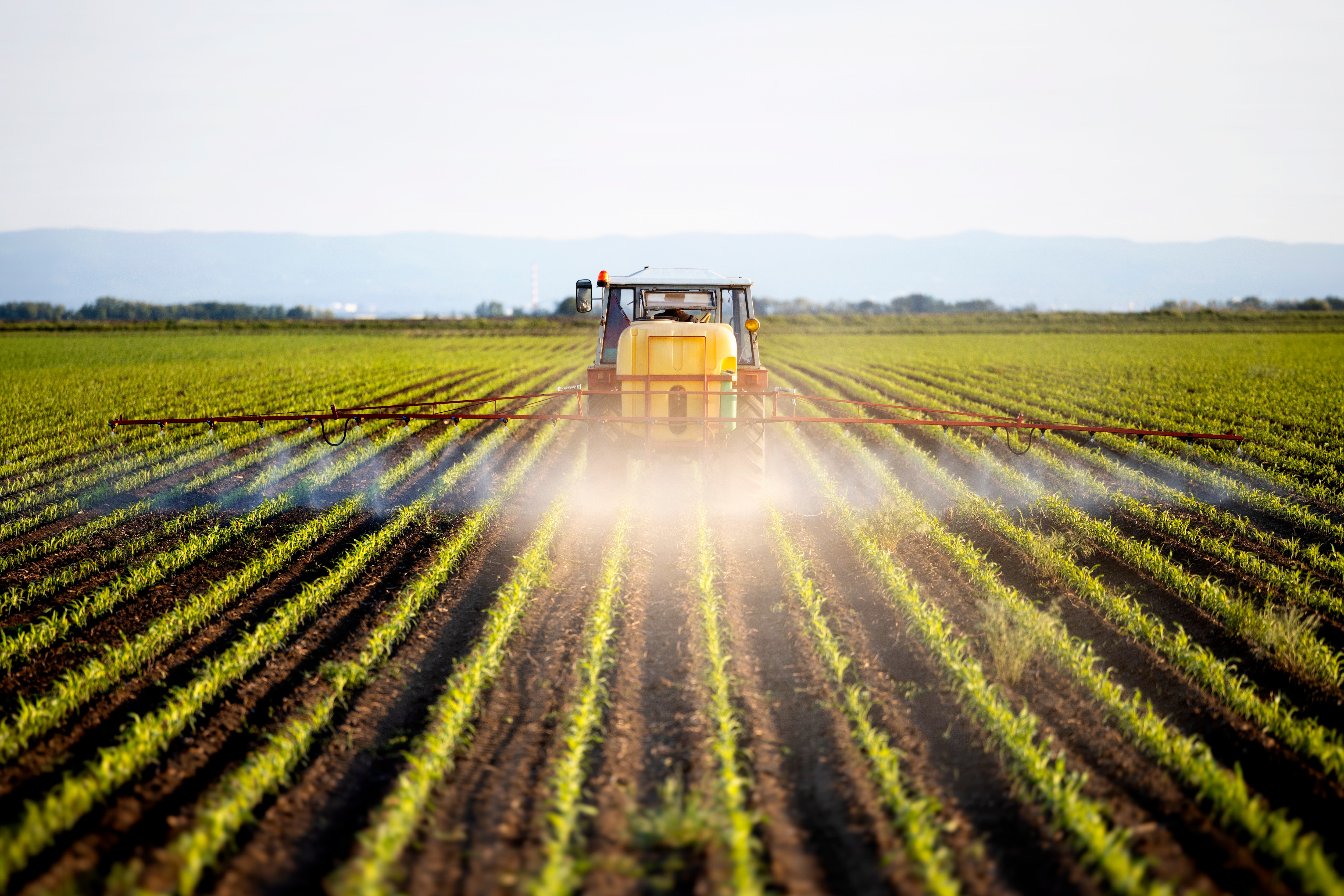
For a long time, ammonia was primarily known as a basic material for fertilizers. Today, the molecule is coming into focus in the energy transition. More and more industries are examining NH₃ as an energy carrier, fuel or process medium in order to reduce emissions and build sustainable value chains.
Particularly exciting: Diesel generators that can be operated without fossil fuels. Ships that run on CO₂-free fuel. And agricultural processes that close nutrient cycles instead of wasting resources.
But with the new application possibilities comes an often underestimated challenge: Ammonia levels must be measured reliably. Safety, process stability and regulatory requirements depend directly on the quality of the sensors used.
Which markets are driving this development? What technical challenges does NH₃ present? And why do many conventional measurement technologies reach their limits?
Learn More in our Free Expert Report
Our new report shows:
- Why ammonia is considered a platform molecule for decarbonization.
- What opportunities are opening up in the energy, shipping, and agriculture sectors.
- Why NH₃ measurement is crucial for safety and efficiency.
- What advantages modern laser-based measurement technologies offer.
Download the free expert report now and learn how ammonia is driving decarbonization in several industries simultaneously.