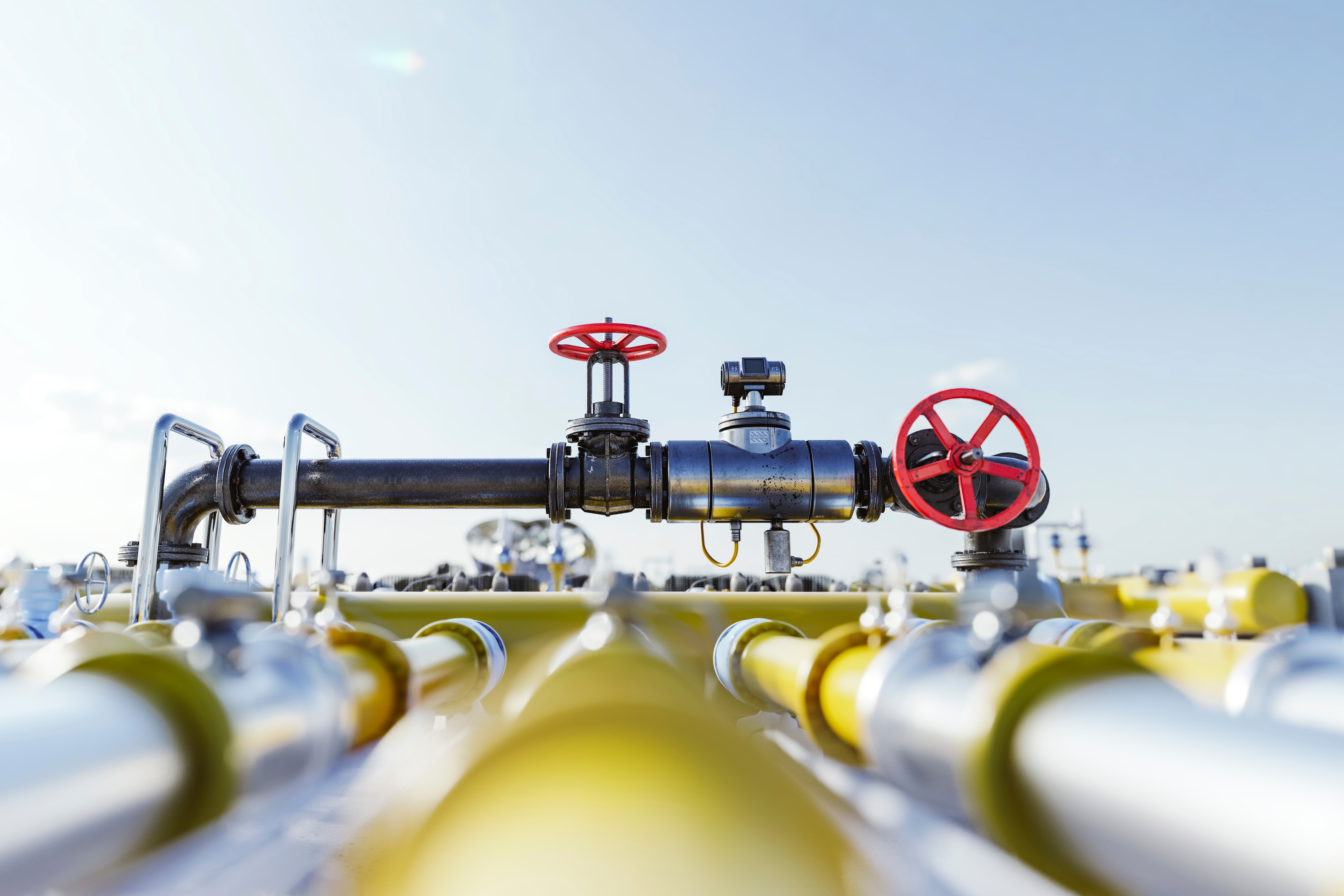
Industrial facilities rely on gas detection systems to protect personnel, processes and infrastructure. Whether in chemical processing, refrigeration, biogas production or food manufacturing, gas sensors must provide accurate measurements continuously, often under demanding environmental conditions.
Many hazardous gases are invisible, odourless and difficult to detect without dedicated monitoring. At the same time, exposure to dust, humidity, vibration and temperature fluctuations can challenge long-term sensor performance. For safety systems, reliability is not simply an advantage. It is a requirement.
Long-term stability reduces maintenance and false alarms
For safety-critical applications, reliability and measurement stability are decisive performance factors. Sensor drift, frequent maintenance requirements or false alarms can compromise confidence in safety systems and increase operational costs.
NDIR (Non-Dispersive Infrared) technology has become a proven solution for monitoring infrared-active gases such as carbon dioxide, methane and many refrigerants. Based on optical measurement principles rather than consumable sensing elements, NDIR sensors offer long-term stability, low maintenance requirements and dependable performance in continuous monitoring applications.
Our latest expert report explores the advantages of NDIR gas sensing and explains why long-term reliability and low drift are critical for effective industrial safety monitoring.
Download the Expert Report now!
Learn how NDIR technology helps improve worker safety, reduce maintenance effort and support reliable gas monitoring over many years of operation.