Author: Bart Beckers, Sales Manager GAS, Axetris AG
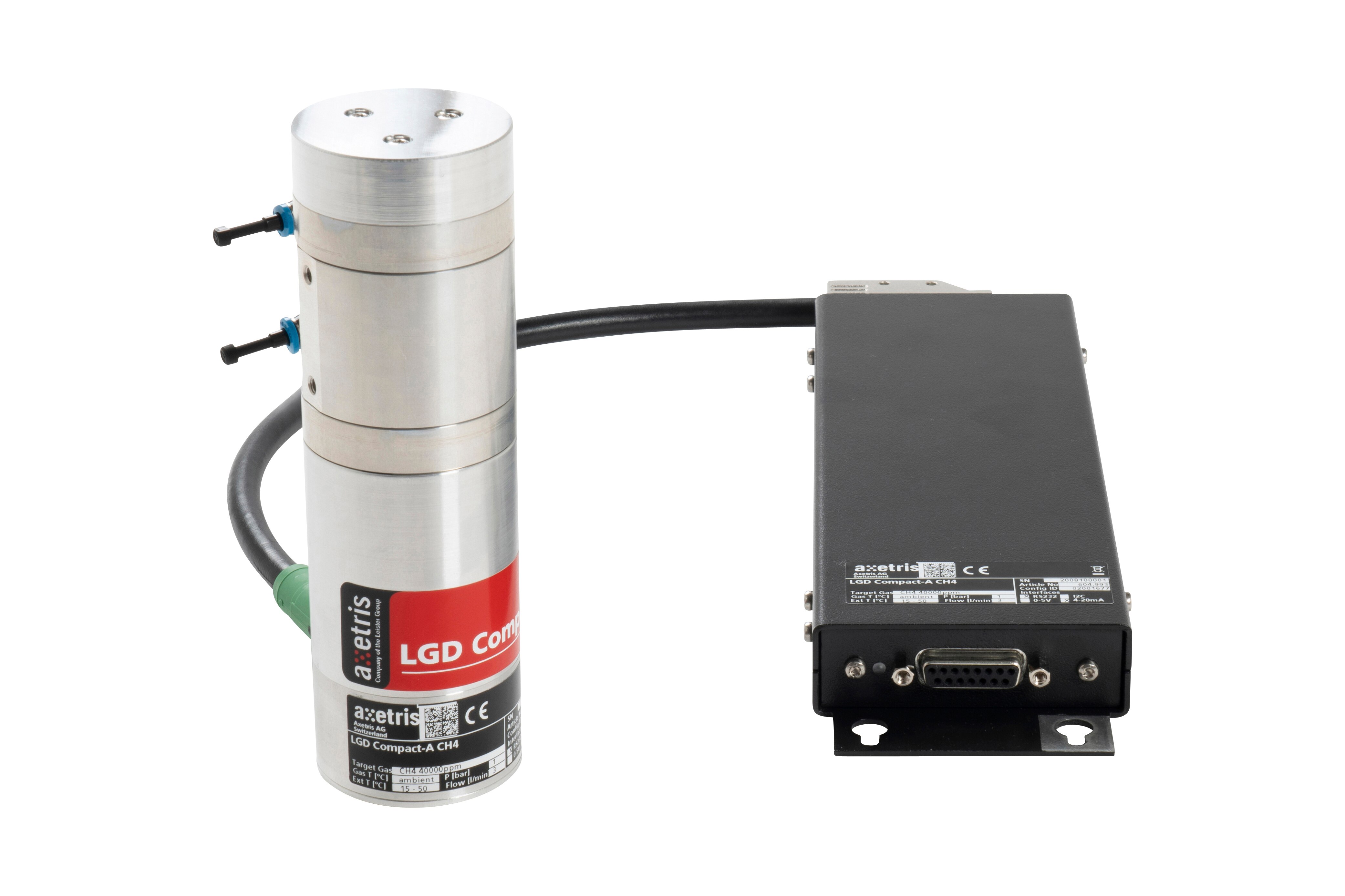
Methane emissions from rice cultivation are an important topic in climate-smart agriculture. Yet measuring those emissions has traditionally required gas chromatography, a method that is accurate but time-consuming, laboratory-bound, and difficult to scale for large field studies. The researchers set out to evaluate whether a portable TDLAS-based methane detector could offer the same level of confidence with much greater flexibility in the field. For the study, weekly methane samples from five rice cultivars were analyzed in parallel using GC and the Axetris-based portable methane detector.
Strong Correlation and Concordance in Field Measurements
The results were clear. In field measurements, the portable detector showed an R² of 0.9943 (R² shows how well the two methods follow the same trend) compared with GC, meaning the sensor tracked the laboratory reference extremely closely over the full measurement range. Because correlation alone does not show whether two methods give the same absolute values, the authors also used Lin’s concordance correlation coefficient (Lin's CCC). Lin's CCC, shows how close the two methods are giving the same answer. This metric combines correlation with closeness to perfect agreement, and the reported CCC of 0.991 confirms near-perfect agreement between the portable detector and GC. A simple linear calibration then removed the small remaining offset. In practical terms, this means the Axetris sensor platform can provide rapid, robust, and labor-efficient methane measurements that are suitable for both laboratory and field applications.
Real-Time Methane Data, Directly in the Field
For researchers and agronomists, this is a major advantage. Compared with GC, the Axetris solution enables portable, real-time, in-situ methane monitoring without the burden of bulky and fragile lab equipment. The paper highlights the sensor’s suitability for high-throughput phenotyping, large-scale screening of rice genotypes, and the development of low-emission cultivation practices. This opens the door to faster data collection and more practical climate research directly where crops are grown.